Field notes: the flight that found structures the register never logged
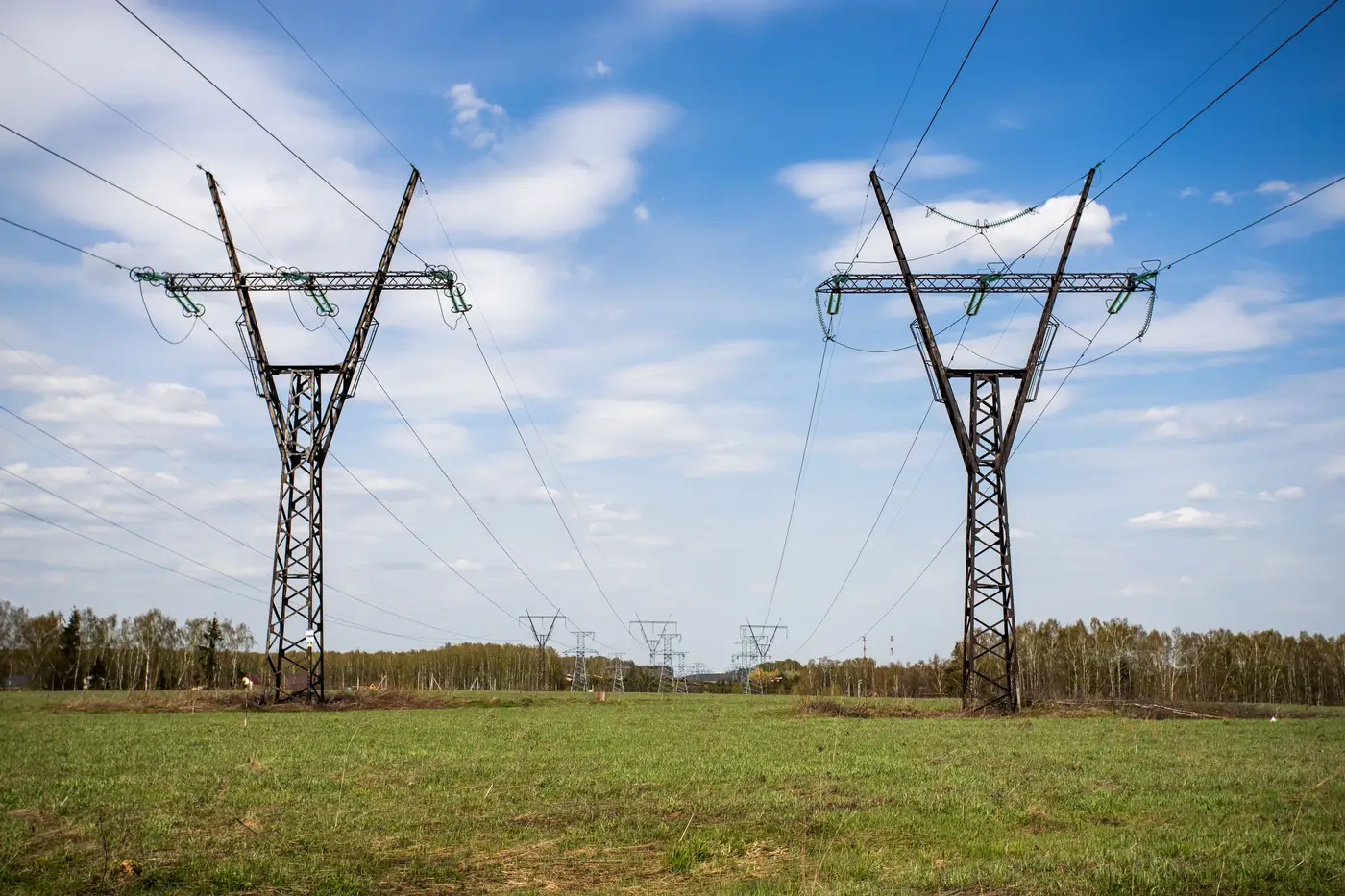
Every GIS lead I've talked to has some version of this story. A capital project wraps up, as-builts get filed somewhere, and a spot pole goes in the ground that never makes it back into the asset register. A storm crew sets a temporary structure during restoration and nobody circles back to make it permanent in the system, because by then the outage is over and there's a backlog of real work waiting. Multiply that by a few decades of a service territory and you get a register that's confident, detailed, and wrong in the sections nobody's checked lately.
The number that sticks with people is always some version of forty. Forty structures in a feeder section that's supposed to have a known pole count. That's roughly the size a gap tends to run once a corridor has gone a few years without a field check, large enough to throw off load calcs and vegetation contracts, small enough to stay invisible from a truck windshield.
The ways these structures get missed are rarely dramatic. A joint-use pole that a telecom partner set never got logged by your utility because it wasn't "yours" to track, until it started carrying your conductor too. A guy wire and anchor that came with a reconductor job got left off the drawing because the crew was focused on the wire, not the paperwork. An old distribution structure that should have been retired in a rebuild still stands, still energized, and still absent from the register that says the circuit went overhead-to-overhead with all new poles.
None of that shows up by staring harder at the GIS. The register only knows what someone entered. It has no way to flag its own blind spots, because a blind spot by definition isn't in the data.
A pass over the corridor that catalogs what's standing right now, independent of what the drawings say should be standing, is the only thing that closes that gap. Instead of a field crew driving the line with a printout and a clipboard, cross-checking pole by pole, you fly it, run the imagery, and get back a structure-by-structure list to set next to the register. Where the two disagree, that's your worklist. Where they agree, you've just validated a stretch of line without putting a truck on it.
That's the shape of the offer at Grid Asset Inventory, run against your own corridors on a cadence you choose rather than waiting for the next full field audit cycle. It flags a structure, gives you its location, and marks it against the register entry that isn't there, which is the one thing a desk audit of attribute tables can never produce on its own.
The harder habit to build is doing this before the gap becomes a problem rather than after. Most registers get reconciled the hard way, following a near-miss with a contact crew that worked off a drawing missing a pole, or after an outage investigation turns up a structure nobody remembers approving. Treating a flight-based reconciliation as routine maintenance, the same way you'd treat a periodic inspection cycle, means the forty unlogged structures turn up on a quiet Tuesday instead of during an incident review.
If your register hasn't been checked against the wire in a while, it's worth finding out what's standing out there before something else forces the question.