Orphan pole vs ghost pole: what the difference means for a GIS register
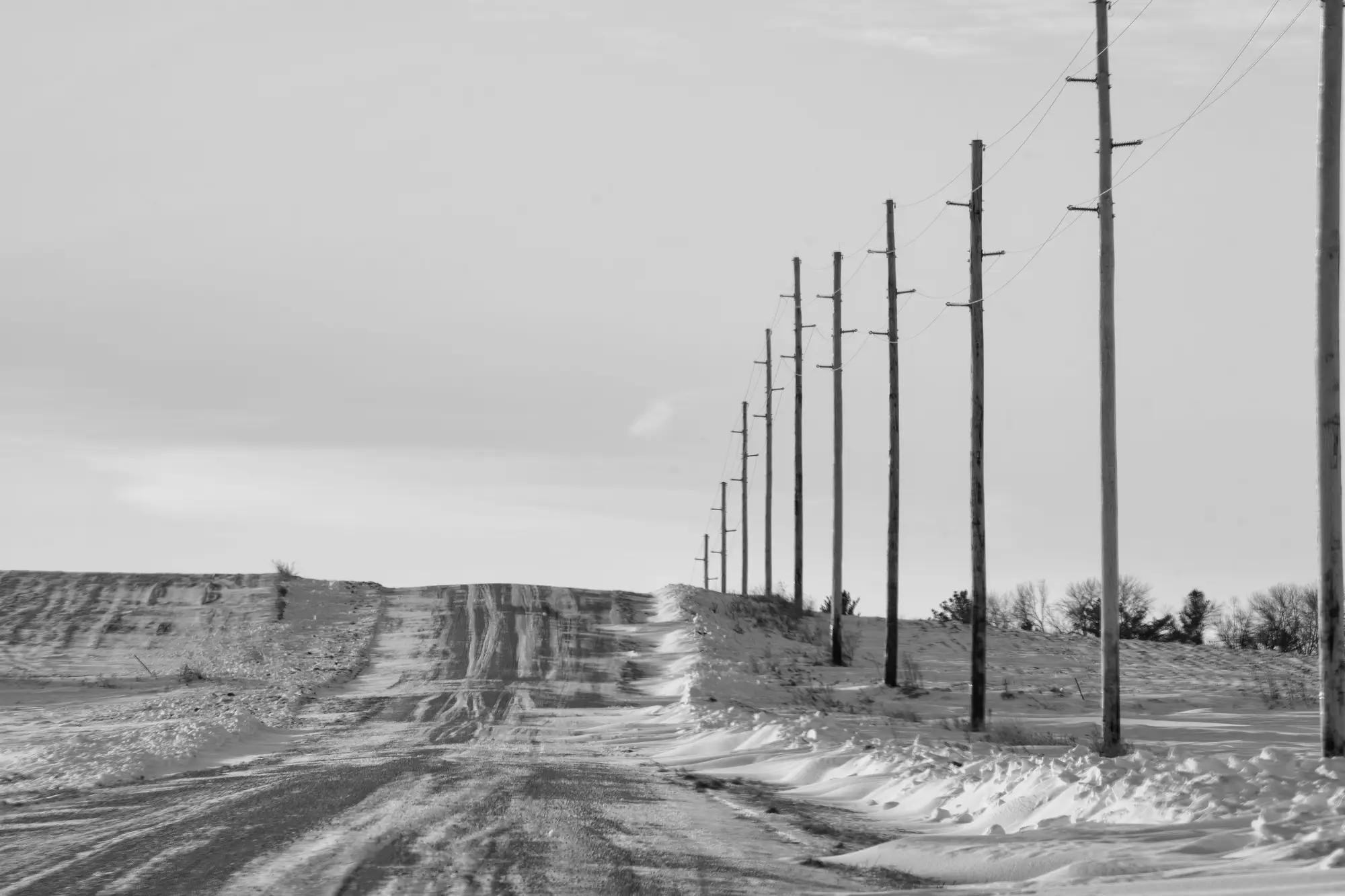
If you manage a pole register long enough, you'll run into both problems, and they are not the same problem wearing two names. One means your field crews are standing next to hardware your database doesn't know about. The other means your database is confidently describing a pole that isn't there anymore. Mixing them up in a reconciliation report means you fix the wrong thing first.
Orphan pole: in the field, missing from the register
An orphan pole exists on the ground but has no clean match in your GIS. It's a structure a line crew can touch, climb, or run a joint-use audit against, with no feature ID pointing back to it, or a feature ID that points to the wrong location entirely.
Orphans show up for ordinary reasons. A contractor sets a pole during a storm restoration and the as-built never makes it back to the editor. A joint-use pole gets added by the telecom attacher and your side of the register never picks it up. A subdivision build-out finishes eighteen months before anyone reconciles the redlines. None of this is malicious, it's just the normal lag between construction and record-keeping, compounded over years and vendors.
The risk with an orphan pole isn't cosmetic. If it's not in the register, it's not in your loading calculations, not in your vegetation management buffer, not in your outage model, and not on anyone's inspection cycle. An unrecorded pole is invisible to every downstream process that reads from the GIS instead of the field.
Ghost pole: in the register, missing from the field
A ghost pole is the inverse. It's a feature in your GIS, complete with pole class, height, and ownership attributes, that no longer corresponds to anything standing in the right-of-way. The pole was replaced during a rebuild and the old record was never retired. A line was reconductored onto new structures and the legacy poles got pulled, but the digitizer only updated the conductor layer. A ghost pole can also be one that was planned and digitized ahead of construction, then left in the register after the project changed scope and the edit was never rolled back.
Ghost poles cost you differently than orphans do. They inflate your asset count for depreciation and insurance purposes. They send crews to a GPS pin where there's nothing to find, which burns a truck roll and erodes trust in the register generally. Run enough of those and field staff start treating the GIS as a rough guide rather than a source of truth, which defeats the point of having one.
Why the distinction matters for reconciliation
Both are register-to-reality mismatches, but they pull in opposite directions, and a cleanup plan that doesn't separate them will under-fix one side. An audit built only to catch missing attributes, wrong pole class, outdated owner, won't surface either kind of ghost asset in GIS data, because both orphans and ghosts have nothing to do with attribute accuracy. The pole is either there or it isn't, and no amount of attribute cleanup touches that.
Most registers accumulate both at once: field crews building faster than the back office can digitize, and retirements happening faster than anyone retires the corresponding record. Treating it as one undifferentiated "data quality" problem tends to produce a project that spends months on attribute standardization and never answers the simpler question underneath it all, which poles are actually standing where the register says they are.
That's the question a straight imagery-to-register comparison answers directly, without sending a crew to confirm what a photo already shows. If you run that kind of pole-by-pole check across the whole territory, orphans and ghosts both surface in the same pass, one list of poles the imagery shows that the register doesn't, one list of register entries the imagery doesn't back up.
Grid Asset Inventory builds that list from aerial or drone imagery flown at sub-10cm resolution, giving you a reconciliation run against field reality instead of another manual audit.