What is a joint use audit, and why attachment counts matter for your pole register
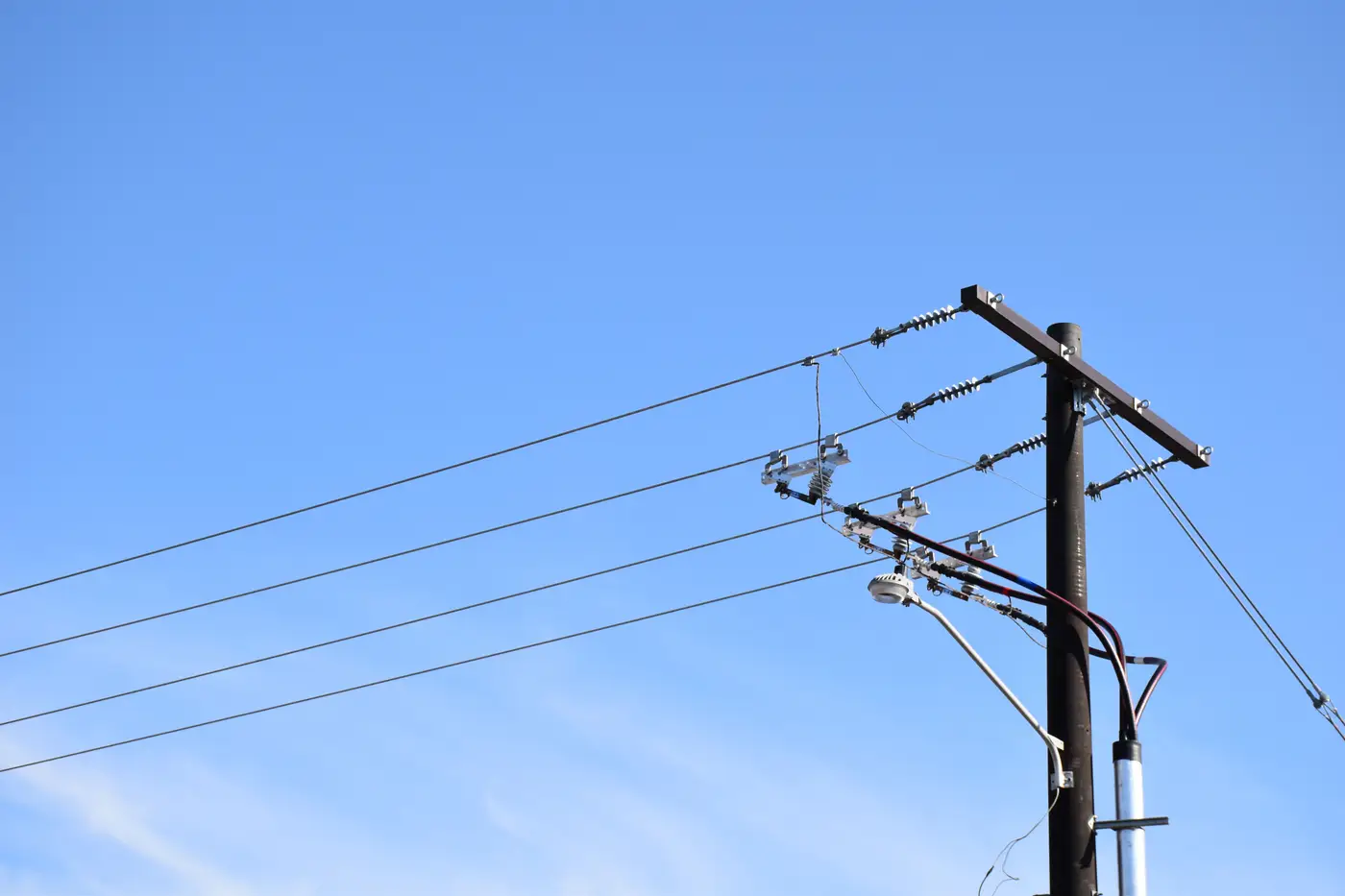
A joint use audit is the process of walking (or flying) your pole line and checking who's actually attached against what your joint use agreements say should be there. It sounds like a paperwork exercise until you realize the pole register is the thing every billing cycle, make-ready job, and NESC clearance calculation gets built on top of. If the attachment count is wrong, everything downstream inherits that error.
Most utilities run these audits because the alternative is worse: trusting a register that was accurate the day it was built and has been drifting ever since. Telecom and cable attachers add drops without filing permits. Abandoned equipment never gets pulled. A make-ready crew finishes a job and the as-built never makes it back into GIS. None of this is malicious. It's just the normal entropy of a system with multiple parties touching the same asset and only one of them responsible for keeping the record straight.
What a joint use audit checks
At its core, a joint use audit compares three things: the pole's physical attachments as they exist in the field, the attachment roster in your joint use agreements, and what your GIS asset register has on file for that structure. When all three match, you're done. When they don't, you've got a finding, and findings fall into a handful of predictable categories.
Unauthorized attachments show up more often than utilities expect. A cable company runs a new drop to pick up a customer and never files the permit, so it never enters the agreement and never enters your register. Abandoned attachments cause a different flavor of the same problem: equipment pulled out of service years ago that's still sitting on the pole, sometimes still carried in the register as live, sometimes dropped from it entirely, and either version of that error throws off your make-ready clearance math. Then there's the simplest failure mode, which is just a miscount. Someone transposed a number during a prior audit, or a pole was rebuilt and the attachment inventory wasn't re-verified after the fact.
Attachment counts matter because they're the input to two things with real money and real safety consequences attached. Billing to third-party attachers is based on the number and type of attachments on your poles, and an undercounted pole register means you're leaving revenue on the table every billing cycle, not just once. Make-ready engineering for a new attacher depends on knowing exactly what's already on the pole and where, because clearance calculations assume a known starting point. Get the starting count wrong and the make-ready design is wrong before the engineer even opens the drawing.
Why the register drifts faster than people expect
The pole register doesn't drift because anyone is careless. It drifts because it's a shared asset with distributed custody. Your crews maintain the pole structure. Telecom and cable attachers maintain their own equipment on it. Nobody owns the single job of confirming, on a regular cadence, that the sum of all those independent actions still matches what GIS says is there.
A full manual field audit catches this, but it's slow and expensive at any meaningful scale, which is why most utilities run them rarely and let the gap widen in between. The gap is where the unauthorized attachments and the billing errors accumulate.
Closing the gap between audits
This is the part a reconciliation pass against recent drone or aerial imagery can close: rather than sending a crew to every pole, you compare what sub-10cm imagery shows on each structure against your current register and get back a list of discrepancies to work from. The reconciliation pass sits upstream of the joint use agreement review and the billing negotiation with attachers, giving you a current read on what's out on the line before those conversations start.
Run that reconciliation on the same cadence as your imagery capture and the joint use audit stops being a once-every-few-years fire drill. It becomes a routine check against a register you can trust between audits.
If you're staring down a pole register that hasn't been checked against the field in a while, Grid Asset Inventory can show you what a reconciliation pass against your own imagery would surface.